How Long Do Viagra and Cialis Last? A Full Duration Comparison Guide
Viagra typically stays effective for about 4 to 6 hours. Cialis lasts a great deal longer, up to 36 hours for most people. That single difference is often the deciding factor when someone is choosing between the two.
How Long Do They Last: The Quick Answer
Neither medication keeps working forever, and neither one guarantees a specific window down to the minute. Viagra (sildenafil) generally provides a window of about 4 to 6 hours. Cialis (tadalafil) can remain effective for up to 36 hours, though the exact length varies from person to person. Both require sexual stimulation to work at any point during that window.
How Long Does Viagra (Sildenafil) Last?
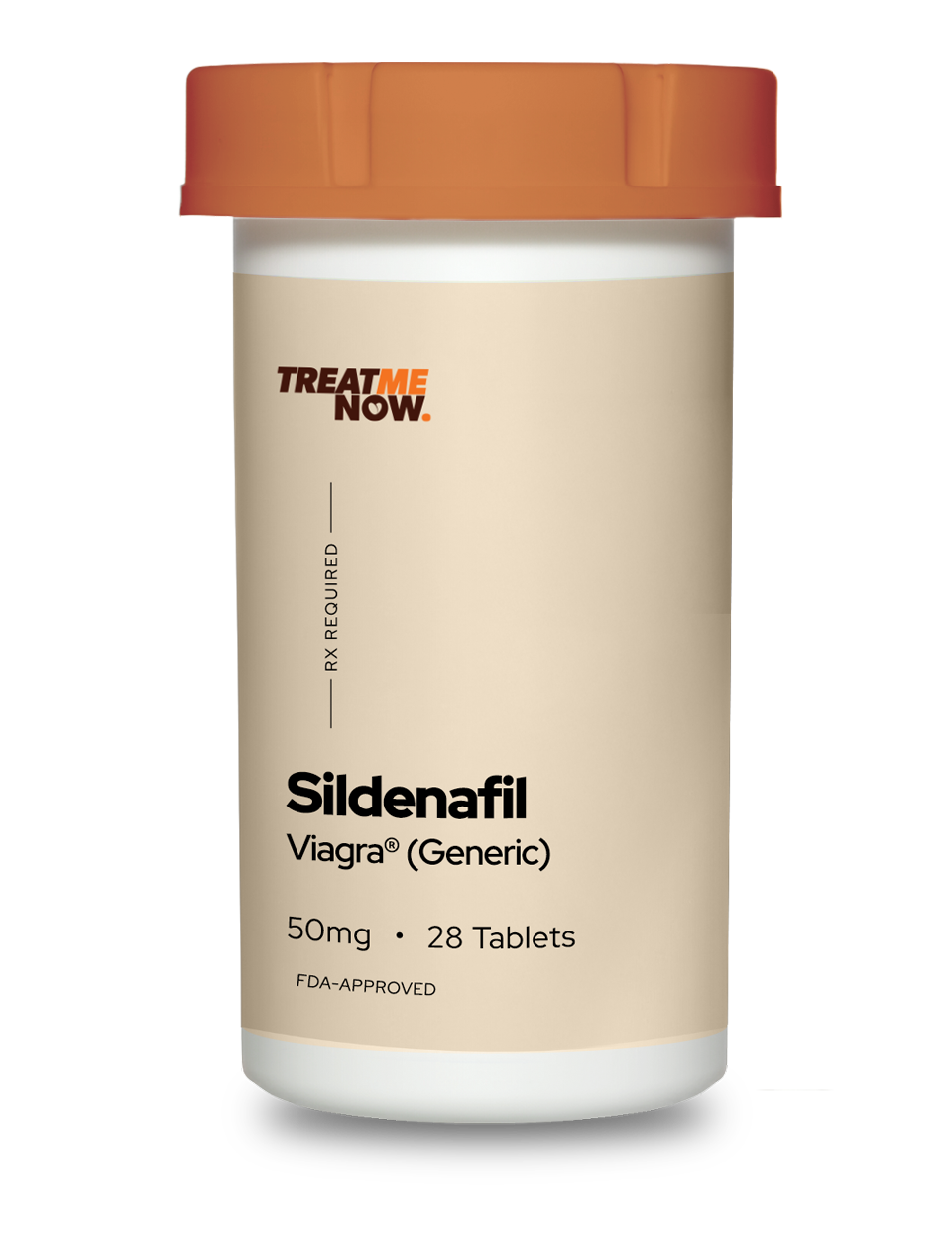
Sildenafil has a half-life of roughly 3 to 5 hours in most healthy adults. [1] Half-life refers to how long it takes for half the drug to clear your bloodstream, not how long the effect lasts, though the two are closely related. Clinical testing has found that sildenafil's effect typically becomes apparent within the first hour after dosing. [2] In practice, most people find sildenafil effective for around 4 to 6 hours after taking it, with the strongest effect typically in the first couple of hours.
By around 24 hours, essentially none of the active drug remains in your system. That's roughly five half-lives, which is the general rule of thumb for when a medication is considered fully cleared.

How Long Does Cialis (Tadalafil) Last?
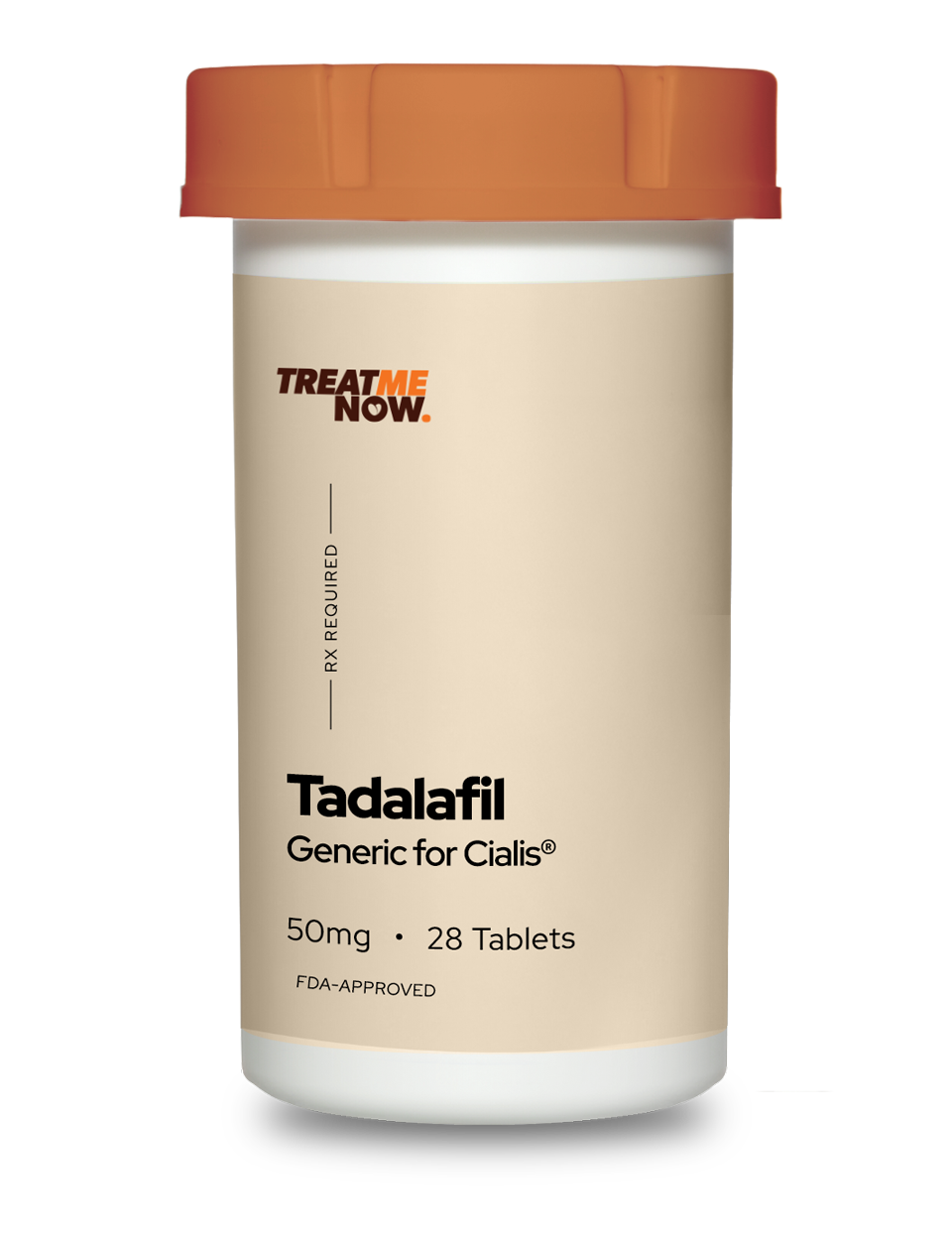
Tadalafil is built differently. Its half-life runs about 17.5 hours in healthy adults, and can stretch to around 21.6 hours in older men. [1] That long half-life explains why a single dose can remain effective for up to 36 hours.
Full clearance takes considerably longer too. Where sildenafil is essentially gone from your system within a day, tadalafil can take 3 to 4 days to fully clear. [1] None of this means you're walking around with a continuous effect that entire time. It means the medication is present at levels that can still support a response to arousal, gradually tapering as the hours pass.
Why the Two Medications Have Different Durations of Effect
The short explanation is half-life. Sildenafil and tadalafil are both PDE5 inhibitors that work the same general way, relaxing blood vessels to improve blood flow during arousal. But they're chemically distinct compounds, and tadalafil's molecular structure simply takes much longer for your liver to break down and clear.
Food plays a role too, though only for one of the two. A high-fat meal can slow sildenafil's absorption and may reduce how reliably it works. [3] Tadalafil's absorption isn't significantly affected by food or moderate alcohol intake, which is part of why it tends to feel more flexible in day-to-day use. [4]
What "Duration" Means in Practice
It's worth being clear about what "lasts 36 hours" or "lasts 4 to 6 hours" actually describes, since it's a common source of confusion. Neither medication produces a continuous erection for that entire window. Sexual stimulation is still required every time.

What the duration describes is the length of time the medication remains present in your system at a level that can support a response to arousal, not a guarantee of anything happening automatically.
Think of it less like a timer counting down to a single event, and more like a window that stays open. Sildenafil's window is narrower and closes faster. Tadalafil's window stays open much longer.
If you want to dig into other aspects of either medication, our full blog on erectile dysfunction covers cost, dosage, and side effects in more depth.
Factors That Can Shorten or Extend How Long It Lasts
A handful of things can shift how long either medication feels effective for you personally, sometimes noticeably.
- Age. Older adults often clear medications more slowly, which can extend how long tadalafil in particular remains active. [1]
- Liver and kidney function. Since both drugs are processed primarily through the liver, reduced liver function can extend how long either one stays in your system.
- Dosage. Higher doses generally mean more of the medication is present to begin with, which can modestly extend the practical window, though higher doses also carry a greater chance of side effects and aren't something to adjust on your own.
- Food, specifically for sildenafil. A heavy or high-fat meal can delay absorption and shorten the reliable window.
- Alcohol. Heavy drinking can interfere with either medication's effectiveness and adds its own risks around blood pressure.
A licensed healthcare provider, like the ones available through TreatMeNow, can factor all of this into your specific prescription rather than leaving you to guess.
FAQ: Can Taking a Higher Dose Make It Last Longer?
A higher dose means more of the drug is in your system, which can modestly extend the tail end of the effective window, but it isn't a reliable way to add hours, and higher doses come with a higher chance of side effects for comparatively little benefit.
If four to six hours genuinely isn't enough time for your situation, that's a conversation to have with your provider rather than a problem to solve yourself.
The better move is usually a different medication entirely rather than a bigger dose of the same one.
If sildenafil's window keeps feeling too short, tadalafil's much longer duration might solve the problem more directly than pushing your sildenafil dose higher ever would.
Here's how to approach it if duration is the issue for you:
- Don't increase your dose on your own to try to stretch the effect. More isn't reliably better, and it raises your risk of side effects.
- If timing keeps being a problem, mention it directly to your provider rather than adjusting it on your own.
- Consider whether tadalafil's longer window might solve the problem better than a higher sildenafil dose would. Our dosage guide covers the available strengths for both.
- Mention anything that might be shortening the effect for you, like a heavy meal beforehand, so your provider can rule that out before changing anything.
- Track your own pattern over a few uses. Information about what's happening makes it much easier for your provider to adjust your prescription accurately.
Disclaimer This article is shared for general informational purposes and isn't intended as medical advice. It shouldn't replace a consultation with your doctor or another licensed healthcare provider, especially when it comes to medications, diagnoses, or treatment decisions. Always check with a qualified professional before making changes to your health or care plan.
References
- Robert M. Coward and Culley C. Carson Tadalafil in the treatment of erectile dysfunction. Therapeutics and Clinical Risk Management
- Ian Eardley, Peter Ellis, Mitradev Boolell, and Maria Wulff Onset and duration of action of sildenafil for the treatment of erectile dysfunction
- BGP Pharma ULC (Viatris) VIAGRA (sildenafil) Product Monograph
- Eli Lilly Canada Inc. CIALIS (tadalafil) Product Monograph