Weight Loss Medication Side Effects: What to Expect
Weight loss medications can cause side effects in some people, with nausea, vomiting, diarrhea, and constipation among the most common. [1] These side effects may be more noticeable when you first start treatment or after your dose is increased, and they may change as your body adjusts to the medication. [2]
This article covers the most common GLP-1 side effects, how to manage them, which symptoms may be more serious, and when to contact your healthcare provider.
What Are the Most Common Weight Loss Medication Side Effects?
Digestive symptoms are the most common side effects associated with GLP-1 medications. These include nausea, vomiting, diarrhea, and constipation. [1]
The specific side effects can vary depending on the weight loss medication.
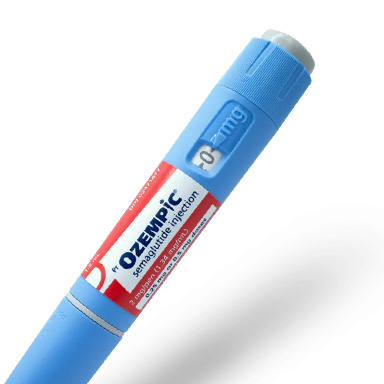
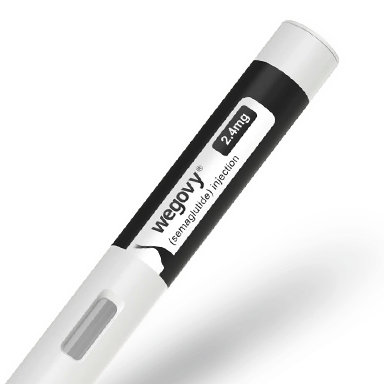
Semaglutide side effects may include:
- Nausea
- Diarrhea
- Vomiting
- Constipation
- Abdominal pain
- Headache
- Fatigue
- Indigestion
- Dizziness
- Abdominal bloating
- Burping
- Acid reflux
- Hair loss
- Altered or unusual skin sensations, known as dysesthesia
- Gastroenteritis
- Low blood sugar in people with type 2 diabetes [3]
Tirzepatide side effects may include:
- Nausea
- Diarrhea
- Vomiting
- Constipation
- Abdominal pain
- Indigestion
- Injection site reactions
- Fatigue
- Hypersensitivity reactions
- Burping
- Hair loss
- Acid reflux [4]
Not everyone will experience the same side effects, and their severity can vary from person to person. Let your healthcare provider know if your side effects are persistent, getting worse, or difficult to manage, as they may be able to adjust your treatment or recommend ways to help relieve your symptoms.
If you are still deciding which treatment may suit you, Weight Loss Medication in Canada: A Complete Guide to GLP-1 Options explains how commonly used medications compare.
How Can You Manage Common Weight Loss Medication Side Effects?
Small changes to what and how you eat may help make digestive side effects from weight loss medications easier to manage.
For nausea and general stomach discomfort, you can try:
- Eating smaller, more frequent meals
- Avoiding skipped meals
- Choosing lower-fat foods
- Drinking plenty of water
- Limiting greasy and spicy foods
- Limiting alcohol and carbonated drinks
- Staying upright after eating [2]

If you are vomiting, focus on staying hydrated and try eating smaller amounts more frequently. For diarrhea, drinking plenty of water and temporarily avoiding dairy products and high-fibre foods may help until symptoms improve. Constipation may improve by getting enough fibre and fluids. [1]
If your side effects are persistent, getting worse, or making it difficult to eat or drink normally, let your healthcare provider know. They can help determine whether additional steps or changes to your treatment may be needed.
What About Gas, Bloating, or Heartburn?
Slower digestion can contribute to acid reflux, bloating, and gas. Try paying attention to foods that make these symptoms worse. Acidic, spicy, and fried foods are common triggers, while some people may also find that chocolate, alcohol, peppermint, spearmint, or caffeine aggravate symptoms. [2]
Can Weight Loss Medications Cause Hair Loss?
Hair shedding can occur during treatment, but it may be related to rapid weight loss rather than a direct effect of the medication itself. Rapid weight loss can interrupt the normal hair growth cycle, while vitamin deficiencies can also contribute to hair loss. This type of thinning is usually temporary and often improves once weight stabilizes. [2]
What Weight Loss Medication Side Effects Can Be Serious?
Less common and more serious weight loss medication side effects can occur in some people. Contact your doctor immediately if you have symptoms of any of the following.
Pancreatitis
Pancreatitis is inflammation of the pancreas and is a potentially serious side effect of GLP-1 medications. [2]
Symptoms may include severe or persistent abdominal pain that can spread to the back, sometimes along with nausea or vomiting. [4] Seek emergency medical care right away if you experience these symptoms. [2]
Gallbladder Problems
Gallstones and gallbladder inflammation can occur while taking GLP-1 medications. These problems may be linked in part to rapid weight loss, with the risk increasing with greater amounts of weight loss and longer periods of GLP-1 medication use. If you have a history of gallstones or other gallbladder problems, let your healthcare provider know before starting treatment. [2]
Dehydration and Kidney Problems
Nausea, vomiting, and diarrhea can lead to dehydration, which may increase the risk of kidney problems with semaglutide or tirzepatide. [3] [4] Reported cases of acute kidney injury with semaglutide have occurred after gastrointestinal side effects caused significant fluid loss. [3] Contact your healthcare provider if nausea, vomiting, or diarrhea does not go away or makes it difficult to stay hydrated.
If you are comparing semaglutide and tirzepatide, our Mounjaro vs Ozempic: Comparing GLP-1 Medications for Weight Loss guide looks at how the two treatments compare, including their side effects, weight loss results, and dosing.
Boxed Warning: Risk of Thyroid C-Cell Tumors
Semaglutide and tirzepatide carry boxed warnings about the potential risk of thyroid C-cell tumors. In animal studies, both medications caused thyroid C-cell tumors in rodents. However, it is not known whether semaglutide or tirzepatide causes these tumors, including medullary thyroid carcinoma (MTC), in humans.
Semaglutide and tirzepatide should not be used by people with a personal or family history of MTC or those with Multiple Endocrine Neoplasia syndrome type 2 (MEN 2). Patients should also be aware of possible symptoms of thyroid tumors and discuss any concerns with their healthcare provider.

When Should You Call a Doctor About Weight Loss Medication Side Effects?
Contact your healthcare provider if your side effects are severe, do not improve, or are becoming difficult to manage. Some symptoms may require more urgent medical attention.
Seek immediate medical care if you experience:
- Severe or persistent vomiting and diarrhea
- Severe abdominal pain or tenderness
- An inability to pass gas or have a bowel movement
- Jaundice, which can cause yellowing of the skin or eyes [1]
You should also let your healthcare provider know that you are taking a GLP-1 medication before any planned surgery or procedure involving general anaesthesia. GLP-1 medications can slow digestion, which may affect how your healthcare team prepares you for the procedure. [1]
Conclusion
When taking a weight loss medication, it is important to know what is expected and which symptoms may need medical attention. If side effects are severe, persistent, or concerning, contact your healthcare provider rather than adjusting or stopping treatment on your own.
For more information about GLP-1 medications, treatment options, and weight management, visit our weight loss blog. If you are considering treatment, visit our weight loss page to learn more about available options and complete our online weight loss questionnaire.
FAQ: What Should I Do If Weight Loss Medication Side Effects Are Bothering Me?
If weight loss medication side effects are bothering you, start with small changes to how you eat and drink, and contact your healthcare provider if symptoms are severe, persistent, or difficult to manage. Nausea, constipation, diarrhea, vomiting, bloating, gas, and heartburn are common with GLP-1 medications because they slow digestion and affect appetite. These symptoms can often be managed, but you should not ignore side effects that are getting worse or making it hard to eat, drink, or stay hydrated.
Small changes can often make treatment easier to tolerate. Eating smaller meals, avoiding skipped meals, choosing lower-fat foods, drinking enough water, limiting greasy or spicy foods, and staying upright after eating may help with nausea and stomach discomfort. If symptoms are getting worse, do not stop or change your dose on your own. Your provider may be able to adjust your treatment plan or recommend ways to manage symptoms more safely.
To manage side effects during treatment:
- Eat smaller, more frequent meals.
- Stop eating when you feel full.
- Choose lower-fat foods and limit greasy, spicy, or heavy meals.
- Drink plenty of water, especially if you have vomiting, diarrhea, or constipation.
- Pay attention to foods that trigger bloating, gas, or heartburn.
- Ask your provider or pharmacist before using over-the-counter treatments.
- Tell your provider if side effects are not improving or are becoming difficult to manage.
Disclaimer This article is shared for general informational purposes and isn't intended as medical advice. It shouldn't replace a consultation with your doctor or another licensed healthcare provider, especially when it comes to medications, diagnoses, or treatment decisions. Always check with a qualified professional before making changes to your health or care plan.
References
- Harvard Health GLP-1 diabetes and weight-loss drug side effects: "Ozempic face" and more
- Temple Health How to Manage Weight-loss Medication Side Effects
- Novo Nordisk Wegovy
- Eli Lilly and Company Zepbound