Weight Loss Medication in Canada: A Complete Guide to GLP-1 Options
What's Approved for Weight Loss in Canada Right Now
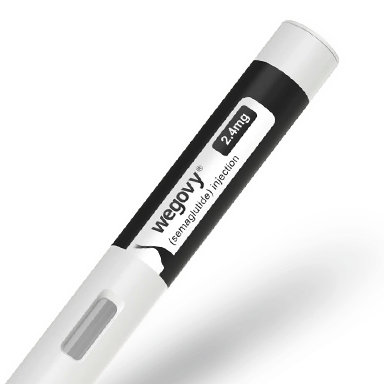
Five medications currently carry Health Canada approval specifically for chronic weight management: semaglutide (Wegovy), tirzepatide (Zepbound), liraglutide (Saxenda), naltrexone-bupropion (Contrave), and orlistat (Xenical). [1] A generic version of Wegovy, sold under the brand name Sevmia, joined that roster in June 2026, the first generic semaglutide product cleared in this country for weight loss specifically rather than diabetes. [2]
Wegovy's approval comes with specific criteria attached. It's indicated for adults with a body mass index of 30 or higher, or 27 or higher alongside a weight-related condition such as high blood pressure, type 2 diabetes, elevated cholesterol, or obstructive sleep apnea. [3] That's the bar Health Canada set when it reviewed the evidence, and it's why not everyone who wants a GLP-1 medication qualifies for one on-label.
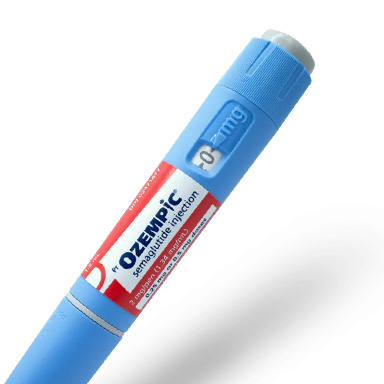
Ozempic isn't on that approved-for-weight-loss list, and that catches a lot of people off guard. It's approved in Canada to treat type 2 diabetes, not obesity. Licensed healthcare providers prescribe it for weight loss anyway, a practice called off-label prescribing that's a normal, well-established part of Canadian medicine when the evidence supports it. [4] Tirzepatide works in a similar way. While it's approved for diabetes under the brand-name Mounjaro, tirzepatide is approved for weight loss under the name Zepbound.

Semaglutide also comes as a daily tablet, Rybelsus, approved here for diabetes rather than weight management. A handful of providers prescribe it off-label for weight loss too, though the weekly injections remain the more established route when weight is the primary goal. Somewhere in the middle of all this sits compounded semaglutide, made by a compounding pharmacy rather than an approved manufacturer. It isn't the same product as an approved generic, and the regulatory oversight behind it is different enough that it deserves its own conversation with a provider before you consider it.
The short version: brand name, active ingredient, and approved use don't always line up the way people assume. Our weight loss page walks through which of these apply to your situation specifically, rather than in the abstract.
How These Medications Work
Every medication in this category, GLP-1s and the older options alike, targets appetite somewhere in the loop between your gut and your brain. Semaglutide and tirzepatide mimic hormones your gut already produces after eating, and the effect isn't an off switch so much as a dial. Hunger gets turned down rather than shut off, which is part of why most people can still eat normally, just less of it, and less often.
Orlistat works through an entirely different mechanism, blocking some of the fat you eat from being absorbed in the first place. Contrave is different again, acting on reward and hunger pathways in the brain rather than gut hormones at all. It's worth a look if GLP-1 side effects have been the barrier standing between you and treatment, since the two drug classes tend to affect the body in unrelated ways.
For a deeper look at receptor mechanisms, dose-response, and how semaglutide differs from tirzepatide's dual-hormone approach, see How Do GLP-1 Medications Work for Weight Loss.

Getting a Prescription in Canada
You don't need a referral or an existing relationship with a family practice to start. Canadian telehealth services, TreatMeNow included, connect you directly with a licensed healthcare provider who reviews your health history, current medications, and weight-related conditions before deciding whether treatment is appropriate.
The intake itself happens online, on your schedule, which matters to a lot of people who'd rather not discuss their weight in a waiting room. After the review, if a prescription makes sense, it's sent to a licensed Canadian pharmacy for dispensing. The medication itself moves through Canada's regulated pharmacy supply chain from start to finish.
If Ozempic specifically is what brought you here, How to Get Ozempic Online in Canada walks through that process step by step. Our Ozempic and Wegovy pages cover what each program includes.
What It Costs, and Who Covers It
Budget a few hundred dollars a month if you're paying out of pocket for a GLP-1, more than you'd pay for an older option like orlistat. Canada's Drug Agency has pegged the annual cost of Ozempic, at the doses typically used for type 2 diabetes, at $2,844 to $5,688 CAD. Divide that by twelve and you land somewhere around $235 to $475 a month before any pharmacy dispensing fee. [5] Wegovy tends to run higher, since its target dose is larger than the top diabetes dose of Ozempic.
Coverage is where things get uneven. Public drug plans in most provinces cover GLP-1s for type 2 diabetes only, and usually only after you've tried first-line treatments. Ontario's public plan lists Ozempic as a Limited Use drug, meaning a provider has to confirm specific medical criteria before it's approved. Alberta's program treats it as step therapy, so patients typically need to show that treatments like metformin didn't work first. [4] Weight management indications are rarely covered by public plans in any province, full stop.
Private insurance fills some of that gap, inconsistently. Some employer plans cover GLP-1s for weight loss with prior authorization attached. Most don't. The plans that do often cap the annual benefit or require documented BMI and comorbidities before they'll pay out.
For a full breakdown by province and by drug, see How Much Does Ozempic Cost in Canada.
The Shortage Is Over, the Price Fight Is Just Starting
The supply crunch that made Ozempic hard to find in 2023 and 2024 has been resolved for over a year now, with stable national supply confirmed since January 2025. What's changed more recently is access at the price level, not access to a physical pen. [6]
In June 2026, Health Canada approved Sevmia, the first generic version of Wegovy authorized for chronic weight management, developed by the Canadian company Apotex. [2] It's the third generic semaglutide product Health Canada has cleared this year, following two earlier approvals that covered the diabetes indication only. Generic medications in Canada typically launch 45 to 90 percent cheaper than the brand name equivalent once more than one manufacturer is competing in the same space, though Sevmia's actual shelf price hadn't been published as of this writing. [2] Health Canada has said it's reviewing six more generic semaglutide submissions, so this isn't the last of it.
None of that changes the caution around compounded versions sold as a cheaper substitute. A compounded product hasn't gone through the same manufacturing and quality review as an approved generic, brand name, or biosimilar, even when it's marketed using the same drug name.
Side Effects and What Your Provider Will Watch For
Nausea is the side effect most people ask about before they start, and it's also the most commonly reported one. Vomiting, diarrhea, constipation, and general stomach discomfort round out the list for GLP-1 medications, and most of it clusters in the weeks right after a dose increase rather than spreading evenly across treatment. Your provider manages this by controlling how quickly your dose increases over time, not by starting you at a target dose from day one. The specific schedule is a clinical decision made between you and your provider, based on how your body responds.
Older, non-GLP-1 options carry a different profile. Orlistat's complaints are almost entirely digestive, tied directly to how it blocks fat absorption. Contrave's tend to centre on nausea and headache, with mood changes reported less often, worth flagging given the antidepressant component built into its formula.
Our full breakdown, Weight Loss Medication Side Effects: What to Expect, covers what's common, what's rare, and when a side effect is worth calling your provider about rather than waiting out.
Ozempic, Wegovy, Mounjaro, or Something Else
There's no universal best option here, only the one that fits your medical history, your budget, and how your body tolerates it. Wegovy is the only semaglutide product approved for weight management in Canada, which matters if your insurance coverage depends on an on-label indication rather than an off-label one. Ozempic tends to cost less out of pocket but carries that off-label caveat, which some employer plans use to deny claims outright.
Mounjaro, tirzepatide's diabetes-approved brand, targets two gut hormones instead of one and has shown larger average weight loss in clinical trials. It's also approved for diabetes only in Canada, with weight-loss use handled by its other version, Zepbound.
Saxenda, a daily liraglutide injection, predates the weekly GLP-1s and has fallen out of favour for a lot of patients simply because of the daily dosing, though it remains an approved, effective option for people who don't respond well to semaglutide or tirzepatide.
See Ozempic vs Wegovy: Which Is Right for You and Mounjaro vs Ozempic: Comparing GLP-1 Medications for Weight Loss for a closer look at each specific matchup.
What's the First Step If You Want to Try This
Most people reach this point after months, sometimes years, of wondering privately whether medication is worth exploring. The honest answer is that you won't know what applies to your situation until a licensed healthcare provider reviews your health history, because eligibility depends on your BMI, existing conditions, and what you've already tried. Guessing at that from a blog post, even a thorough one, isn't useful to you.
What moves things forward is a straightforward intake, not a referral or a months-long wait for a specialist appointment. Canadian telehealth platforms built around this specific category have compressed what used to be a slow process into something you can start in one sitting, from home, without discussing your weight with anyone face to face until you choose to.
- Complete an online health history and weight assessment through a Canadian telehealth provider
- Have a virtual consultation with a licensed healthcare provider to review your eligibility and options
- Get a prescription sent to a licensed Canadian pharmacy if treatment is appropriate for you
- Set up follow-up care so your provider can track side effects and adjust your plan over time
You can start that process through TreatMeNow, or read through the rest of this guide's companion articles first if you'd rather go in fully informed.
Disclaimer This article is shared for general informational purposes and isn't intended as medical advice. It shouldn't replace a consultation with your doctor or another licensed healthcare provider, especially when it comes to medications, diagnoses, or treatment decisions. Always check with a qualified professional before making changes to your health or care plan.
References
- Obesity Canada Managing your obesity
- Health Canada Canada approves first generic semaglutide for weight loss
- Health Canada Regulatory Decision Summary for Wegovy
- Canadian Medical Association Can you get GLP-1 drugs in Canada?
- Canada's Drug Agency (CDA-AMC) Reimbursement Recommendation: Semaglutide (Wegovy)
- Annika Kim Constantino Shortage of Novo Nordisk’s Wegovy and Ozempic drugs is resolved, FDA says