Contrave in Canada: How to Take It and What Results to Expect
Contrave is an extended-release prescription tablet for chronic weight management in adults. It combines two medications, naltrexone and bupropion, that work on the brain's appetite and reward pathways.
In one double-blind clinical trial, participants taking Contrave lost up to 6.5% of their body weight after 28 weeks, compared with 1.9% in the placebo group. [1] In another placebo-controlled trial, 48% of those who took naltrexone and bupropion lost more than 5% of their body weight, whereas only 16% of those in the placebo group lost more than 5%. [2]
These findings suggest Contrave could be a useful therapeutic option for treating obesity. Below, we cover how to take Contrave, the four-week dose schedule, what results to realistically expect, and how it compares with GLP-1 injections like Ozempic and Wegovy.
How does Contrave work?
Contrave reduces appetite and food cravings through two complementary actions in the brain. Each tablet contains 8 mg of naltrexone and 90 mg of bupropion in an extended-release form. [3]
- Bupropion is an antidepressant and smoking-cessation medication. It activates appetite-regulating neurons in the hypothalamus that help you feel full sooner.
- Naltrexone is an opioid antagonist. On its own, it has little effect on weight, but it blocks a feedback loop that would otherwise dampen bupropion's appetite-suppressing effect. [4]
Together, the two ingredients also act on the brain's reward system, which may help reduce cravings and the pull toward highly palatable foods.

Who is Contrave for?
Health Canada has approved Contrave for chronic weight management in adults, used alongside a reduced-calorie diet and increased physical activity. [3] It is indicated for adults with:
- A body mass index (BMI) of 30 kg/m² or higher, or
- A BMI of 27 kg/m² or higher plus at least one weight-related condition, such as type 2 diabetes, high blood pressure, or high cholesterol
Contrave is not right for everyone. It should not be used by people with uncontrolled high blood pressure, a seizure disorder or history of seizures, a current or past eating disorder such as bulimia or anorexia, or those taking opioid medications.
Do not combine it with other bupropion products or MAO inhibitors. A licensed Canadian healthcare provider will review your medical history before prescribing. Learn more about qualifying for weight loss medication in Canada.
How to take Contrave: the 4-week dosing schedule
Take Contrave by mouth, and increase the dose gradually over four weeks to help your body adjust and reduce side effects like nausea. By week 4, you reach the full maintenance dose of two tablets in the morning and two in the evening. [5]
|
Week |
Morning |
Evening |
Total daily dose (naltrexone/bupropion) |
|
Week 1 |
1 tablet |
None |
8 mg/90 mg |
|
Week 2 |
1 tablet |
1 tablet |
16 mg/180 mg |
|
Week 3 |
2 tablets |
1 tablet |
24 mg/270 mg |
|
Week 4 onward |
2 tablets |
2 tablets |
32 mg/360 mg |
Swallow tablets whole with water. Do not cut, crush, or chew them, since this can release too much medication at once. Do not take more than four tablets a day, and never take more than two tablets at one time. [5]
Tips for taking Contrave
A few simple habits can make Contrave easier to tolerate and safer to use.
- Take it with food to ease any nausea that may occur. However, avoid high-fat meals, which may increase how much medication your body absorbs and increase the risk of seizures.
- If you miss a dose, skip it. Take your next dose at the usual time. Do not double up to catch up.
- Limit alcohol. Drinking too much alcohol, or stopping heavy drinking suddenly, can increase seizure risk.
- Avoid opioids. Naltrexone blocks opioid pain relievers and can trigger withdrawal in people who use them. Tell any provider or surgeon that you take Contrave.
- Check your blood pressure. Bupropion can raise blood pressure and heart rate, so your provider may monitor both, especially in the first few months.
Contrave results: what the clinical trials show
In four large, year-long trials, adults taking Contrave lost an average of 5% to 9.3% of their body weight, versus 1.2% to 5.1% with placebo. For someone who weighs 100 kg (220 lb), a 6% loss is about 6 kg (13 lb).
|
Trial (56 weeks) |
Who was studied |
Contrave |
Placebo |
|
COR-I [2] |
Adults with obesity or overweight plus a related condition |
6.1% |
1.3% |
|
COR-II [1] |
Adults with obesity or overweight plus a related condition |
6.4% |
1.2% |
|
COR-BMOD [6] |
Adults also in an intensive behaviour-change program |
9.3% |
5.1% |
|
COR-Diabetes [7] |
Adults with overweight or obesity and type 2 diabetes |
5.0% |
1.8% |
In COR-I, 48% of people on Contrave lost at least 5% of their body weight, compared with 16% on placebo. Among those who completed the full year of treatment, 62% reached that 5% mark.
The COR-BMOD results highlight an important point: Contrave works best as part of a broader plan. Participants who paired it with structured nutrition and activity support saw the largest results.

Why does 5% matter? Losing 5% to 10% of body weight is linked to meaningful health improvements, including better blood sugar, blood pressure, and cholesterol levels. [8]
Contrave results timeline: what to expect
Most people notice appetite changes within the first few weeks, while measurable weight loss builds over several months. Results vary from person to person, and this is a general guide based on dosing and evaluation.
|
Timeframe |
What typically happens |
|
Weeks 1 to 4 |
Dose increases each week. Some people notice reduced cravings. Nausea is most common during this stage. |
|
Months 1 to 3 |
Weight loss becomes more noticeable as you stay on the full dose alongside diet and activity changes. |
|
12 weeks at full dose |
Your physician checks your progress. If you have not lost meaningful weight since starting, they may recommend stopping Contrave. |
|
6 to 12 months |
Weight loss generally levels off around the one-year mark. |
The 12-week checkpoint is useful because it lets you know relatively quickly whether Contrave is working for you or if you should consider other options.
Contrave side effects and safety
Nausea is the most common side effect of Contrave, affecting about 3 in 10 people in the COR-I trial, and it is usually mildest once the dose stabilizes. [2] Other common side effects include:
- Constipation
- Headache
- Vomiting
- Dizziness
- Trouble sleeping
- Dry mouth
Serious but less common risks include seizures, increases in blood pressure and heart rate, liver problems, and serious allergic reactions. Because bupropion is an antidepressant, Contrave carries a warning about changes in mood, behaviour, and suicidal thoughts, particularly in young adults. [5] For a broader overview, see our guide to weight loss medication side effects.
Contact your healthcare provider right away if you notice new or worsening depression, anxiety, agitation, unusual changes in mood or behaviour, or thoughts of self-harm. Seek emergency care for a seizure, chest pain, or signs of a severe allergic reaction.
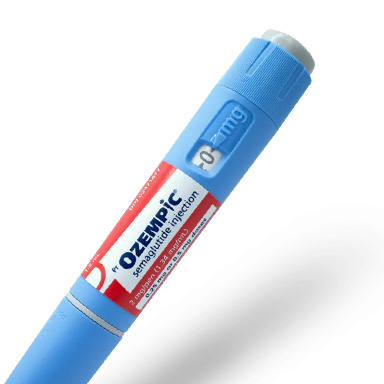
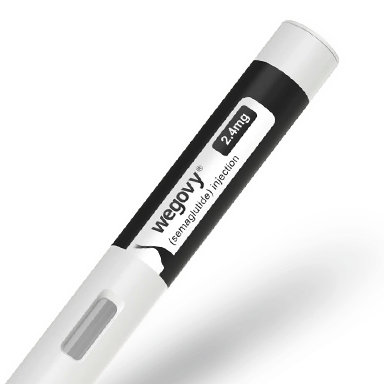
Is Contrave an injection? Contrave vs. GLP-1 injections
No, Contrave is not an injection. It is an oral tablet, which makes it a needle-free alternative for people who would prefer not to self-inject.
|
|
Contrave |
Semaglutide (Ozempic, Wegovy) |
|
How it is taken |
Oral tablets, twice daily |
Injection, once weekly |
|
How it works |
Acts on the brain's appetite and reward centres |
Mimics the GLP-1 hormone to slow digestion and increase fullness |
|
Average weight loss in trials |
About 5% to 9% at one year |
About 10% at 6 months (Semaglutide 2.4 mg) [9] |
|
Most common side effect |
Nausea |
Nausea and other digestive symptoms |
GLP-1 injections generally produce greater average weight loss. Contrave may be a better fit for people who prefer a pill, cannot tolerate or access GLP-1 medications, or struggle specifically with food cravings. The right choice depends on your health history, goals, and preferences, which is a conversation to have with your healthcare provider. If you're weighing your options, compare Mounjaro vs. Ozempic, see the strongest weight loss medications in Canada, or learn how to get Wegovy online in Canada.
FAQ: How do I know if Contrave is right for me?
Contrave may be right for you if you are an adult with a BMI of 30 or higher who prefers oral medication over injections for weight loss. Clinical trials, such as the COR-II study [1], have shown Contrave’s effectiveness when combined with diet and exercise. If you need a medical weight loss intervention, Contrave may be a suitable option.
Day to day, Contrave fits into a simple routine. Take your doses in the morning and evening with food, but avoid high-fat meals, which increase how much medication your body absorbs. In the long run, injectable GLP-1s can be straining for some; the convenience of taking Contrave pills is a big plus for many patients.
Next steps for finding out if Contrave is right for you:
- Check your BMI. Contrave is approved for adults with a BMI of 30 or higher, or 27 or higher with a weight-related condition such as type 2 diabetes or high blood pressure.
- Gather your health history. Note any current medications and conditions, especially opioid use, other bupropion products, MAO inhibitors, seizures, eating disorders, or high blood pressure.
- Speak with a licensed provider. Complete an online assessment through a trusted telemedicine service to see whether Contrave is a safe and suitable option for you.
- Plan your first four weeks. Set morning and evening reminders, follow the dose schedule, and pair each dose with a balanced, lower-fat meal.
- Track your progress. Record your weight and any side effects so you and your provider have clear information at your 12-week review.
- Build supporting habits. Pair Contrave with nutrition and activity changes for best results.
Disclaimer This article is shared for general informational purposes and isn't intended as medical advice. It shouldn't replace a consultation with your doctor or another licensed healthcare provider, especially when it comes to medications, diagnoses, or treatment decisions. Always check with a qualified professional before making changes to your health or care plan.
References
- Caroline M. Apovian, Louis Aronne, Domenica Rubino, et al. A randomized, phase 3 trial of naltrexone SR/bupropion SR on weight and obesity-related risk factors (COR-II)
- Frank L. Greenway, Ken Fujioka, Raymond A. Plodkowski, et al. Effect of naltrexone plus bupropion on weight loss in overweight and obese adults (COR-I): a multicentre, randomised, double-blind, placebo-controlled, phase 3 trial
- Health Canada Drug and Health Product Portal: Details on Contrave
- Dharminder Singh and Abdolreza Saadabadi NCBI StatPearls: Naltrexone
- Bausch Health Naltrexone Product Monograph
- Thomas A. Wadden, John P. Foreyt, Gary D. Foster, et al. Weight loss with naltrexone SR/bupropion SR combination therapy as an adjunct to behavior modification: the COR-BMOD trial.
- Priscilla Hollander, Alok K. Gupta, Raymond Plodkowski, et al. Effects of Naltrexone Sustained- Release/Bupropion Sustained-Release Combination Therapy on Body Weight and Glycemic Parameters in Overweight and Obese Patients With Type 2 Diabetes
- Rena R. Wing, Wei Lang, Thomas A. Wadden, et al. Benefits of Modest Weight Loss in Improving Cardiovascular Risk Factors in Overweight and Obese Individuals With Type 2 Diabetes
- Aleksandrina Ruseva, Wojciech Michalak, Zhenxiang Zhao, et al. Semaglutide 2.4 mg clinical outcomes in patients with obesity or overweight in a real-world setting: A 6-month retrospective study in the United States (SCOPE)